
From $3 / cut
Slabbing
Thick rough broken down into even, usable slabs on the diamond saw. We mark the cut line to follow the pattern, not to maximize the count.
- Blade kerf kept tight
- Cut line planned around the pattern
- Slabs labelled in order
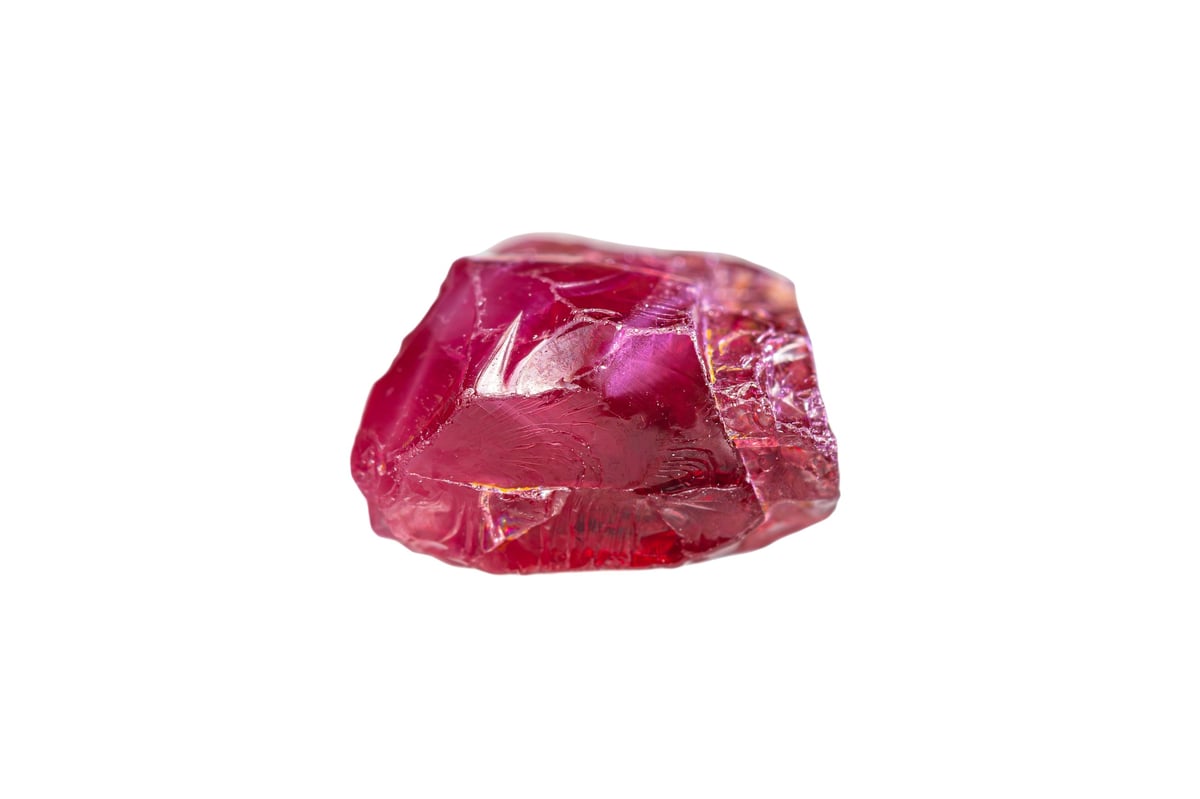
Slabbing, trimming, shaping and polishing — the whole path from a dirty rock to a stone that holds a mirror. And a free assessment first, so you know what you’re working with before you spend anything.
Free assessment · Response within one business day · No obligation to proceed
Prices are starting points — hard material, awkward shapes and heavy fracturing all change the work. You get a firm quote before we cut anything.
Thick rough broken down into even, usable slabs on the diamond saw. We mark the cut line to follow the pattern, not to maximize the count.
Corners knocked off, edges cleaned up, and the stone rough-shaped into the form it's heading for — cabochon, pendant blank, or specimen.
The long part. Taken up through the grits by hand until the surface holds a true mirror — no burn marks, no orange-peel, no cheating at the end.
You mail us the rough, we take it all the way to finished and display-ready, then ship it back insured with photos of every stage.
Four steps, no mystery. You’ll know the cost and the timeline before anything gets cut.
Typical turnaround is 2–3 weeks from the day your rough arrives. Large batches and heavily fractured material take longer — we’ll tell you up front.
Send photos
A few shots of your rough in daylight, plus roughly how much there is. That's enough for a first read.
Free assessment
We tell you what the stone likely is, what it will do under the saw, and whether it's worth the work. Sometimes the honest answer is no.
Pack and ship
You mail it in. We confirm arrival, quote the job in writing, and only start once you approve.
Work and return
We cut, shape and polish, sending photos at each stage. Finished stones ship back insured with tracking.
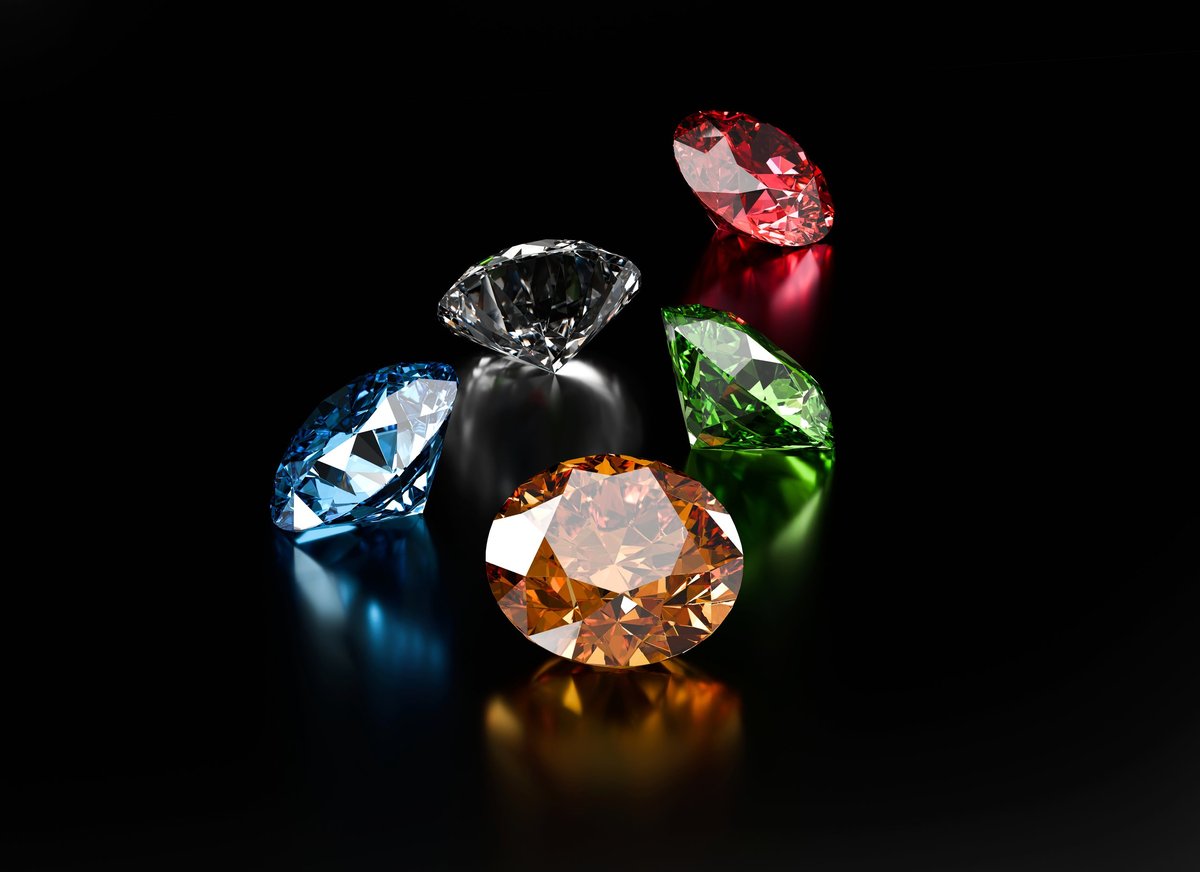
A partial list — if yours isn’t here, ask. The only real requirement is that the material is harder than the abrasives, which rules out the softest stuff but leaves most of what people actually find.
Send a couple of photos and we’ll tell you what it is, what it’ll do on the saw, and what it would cost.
Get My Free Assessment